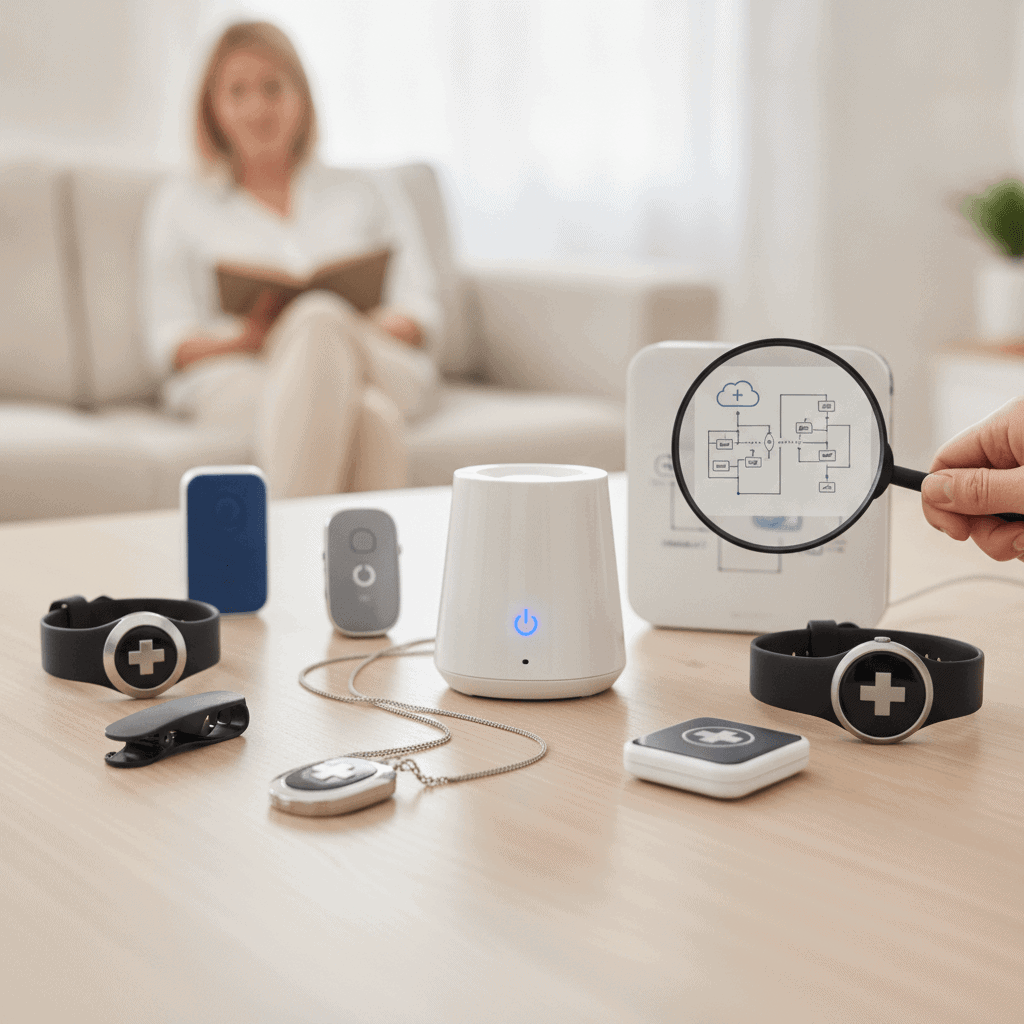
Ensuring the safety and well-being of our loved ones, especially as they age or manage health conditions, is a priority for many families. Medical alert devices offer a reliable solution, providing peace of mind and immediate assistance during unexpected emergencies. I have seen firsthand how these systems can make a significant difference in maintaining independence and dignity for individuals living alone.
In this guide, I will share what I know about medical alert devices. I want to help you understand the options available and choose the best fit for your needs. We are exploring the ways science and technology can enhance daily life for everyone.
Understanding Medical Alert Devices and Their Purpose
Medical alert devices are personal emergency response systems designed to provide quick access to help. They typically involve a wearable button, like a pendant or wristband, and a base unit that connects to a monitoring center or designated contacts. When an emergency happens, a simple press of the button can alert responders.
These devices are incredibly important for individuals who are at risk of falls, have chronic medical conditions, or live alone. They offer a lifeline, bridging the gap between an incident and receiving assistance. For example, if someone falls and cannot get up, pushing their medical alert button ensures they are not left waiting.
The core purpose is to provide immediate support. This can be critical in situations like a sudden illness, a stroke, or a slip in the bathroom. I believe that understanding this fundamental role helps families see the true value of these systems. They are not just gadgets but essential tools for safety.
Who Benefits Most from These Devices?
Many different people can find great benefit from a medical alert device. Elderly individuals, particularly those living independently, are primary beneficiaries. This is because age often brings increased risks of falls and other health issues.
Individuals with chronic conditions like heart disease, diabetes, or epilepsy also benefit greatly. These conditions can cause sudden incapacitation, so having a way to call for help is vital. Furthermore, people recovering from surgery or a serious illness often experience periods of reduced mobility or strength. A medical alert system offers crucial support during their recovery phase.
Even those who are generally healthy but spend significant time alone can find reassurance in having a device. It provides an extra layer of security that empowers them to live confidently in their homes. So, we see that the reach of these devices extends to a wide demographic.
Types of Medical Alert Devices Available
The market for medical alert devices has grown a lot, and there are many options to choose from. Each type serves different needs and lifestyles. Knowing the categories helps you narrow down your search for the perfect system.
We often categorize these devices into a few main types. There are home-based systems, which are excellent for people who mostly stay in or around their residence. Then we have mobile systems, which offer protection on the go. Finally, smartwatches and other integrated solutions are blending seamlessly into daily life.
I find it helpful to think about where a person spends most of their time and what their daily routines look like. This helps determine which type will provide the most effective coverage and comfort. It is about matching the technology to the individual’s unique circumstances.
Exploring Different Feature Sets
Within each type of device, you will find a variety of features. Fall detection is a very popular feature, especially for older adults. These systems use sensors to detect if a person has fallen and automatically alert the monitoring center. This is a game-changer because not all falls allow someone to push a button.
GPS tracking is another key feature, particularly with mobile devices. This allows responders to pinpoint the user’s location, which is critical for emergencies away from home. I have seen how this feature can quickly guide help to someone who is lost or injured in an unfamiliar place.
Two-way communication is also standard in most modern medical alert systems. This lets the user speak directly to a dispatcher through the device, which confirms the emergency and provides instructions. It is like having an emergency operator always within reach, offering instant reassurance and communication.
Key Features to Consider in Your Search
When you are looking for a medical alert device, several key features should influence your decision. These elements directly impact the device’s effectiveness and how well it integrates into someone’s daily life. I advise everyone to think through these points carefully.
Battery life is incredibly important, especially for mobile units. You want a device that can last for days on a single charge. This reduces the worry about frequent recharging and ensures constant protection. Imagine if the battery died during an emergency, so checking the specifications for battery duration is a must.
The range of a home-based system is another critical factor. It tells you how far the wearable button can be from the base unit and still work. Make sure the range covers every room in the house, including the yard or garden, so help is always accessible. Waterproof capabilities are essential for wearable devices, because many emergencies happen in bathrooms or during outdoor activities. You want a device that can withstand splashes or even a quick shower.
Finally, consider the monitoring services themselves. Look at their response times, the training of their staff, and their protocols for contacting emergency services and family members. I believe these aspects are just as vital as the device’s hardware. You can learn more about choosing medical alert devices by exploring detailed comparison guides.
How Monitoring Services Work
Once an alert is triggered, the monitoring service takes over. This is the human element that connects the technology to real help. Understanding how these services operate is key to trusting the system.
There are generally two types of monitoring arrangements. Professional monitoring means the alert goes to a dedicated call center, staffed by trained operators 24/7. These operators assess the situation, contact emergency services if needed, and notify designated family members. This provides a robust and reliable layer of support, so someone is always there to respond.
Self-monitoring, on the other hand, routes alerts directly to a list of personal contacts, like family members or neighbors. This option might be suitable for individuals with a strong support network nearby. However, it relies on those contacts being available and able to respond immediately. We weigh the benefits of instant professional response against the personal touch of a loved one.
Understanding Different Subscription Plans
Most medical alert systems come with a subscription plan. These plans cover the cost of the monitoring service. They vary in price and features. I always encourage people to look beyond the initial equipment cost and consider the ongoing monthly or annual fees.
Some plans require you to purchase the equipment outright, while others include it as part of the monthly fee. Always ask about activation fees, cancellation policies, and any long-term contracts. Some providers offer discounts for annual payments, which can save money in the long run. Knowing these financial details upfront helps avoid surprises and ensures the service remains affordable for your family.
Setting Up and Testing Your Medical Alert System
Getting your medical alert system up and running correctly is a straightforward process, but it requires careful attention to detail. I always emphasize the importance of both proper setup and consistent testing to ensure reliability when it truly matters.
Most home-based systems involve plugging in a base unit and positioning it in a central location. This unit then connects to your phone line or a cellular network. For mobile devices, it is usually a matter of charging them and making sure they have a strong signal. The provider will give clear instructions, and many offer customer support to help with installation. It is not complex, but doing it right is vital.
Regular testing is just as important as the initial setup. I recommend testing the device at least once a month. This ensures the batteries are working, the signal is strong, and the monitoring center receives the alert. Most systems have a test button or a simple procedure to do this without dispatching emergency services. This practice builds confidence in the system and confirms it is always ready.
Addressing Common Concerns and Misconceptions
People often have questions or concerns about medical alert devices. I want to address some of the most common ones to help alleviate any worries you might have. It is natural to feel some hesitation before adopting new technology, especially for something as important as personal safety.
One frequent concern is the cost. While there is a subscription fee, I believe the peace of mind and the potential to avoid more serious medical complications make it a worthwhile investment. Think of it as an insurance policy for immediate assistance, and because early intervention can reduce recovery times, it can save money in the long term.
Another misconception is about false alarms. Modern medical alert systems are designed to minimize these, and fall detection technology has become much more accurate. In cases of accidental activation, a simple explanation to the monitoring center resolves the issue quickly. They understand that mistakes happen, and their priority is ensuring your safety.
Some individuals worry that using a medical alert device makes them feel more dependent. I see it differently. I believe these devices actually promote independence. They empower people to live in their own homes longer and with greater confidence, knowing help is always a button press away. It is about having a safety net, not a limitation. These systems support continued self-reliance.
Your Path to Enhanced Safety and Independence
I have shared my insights into medical alert devices, covering what they are, the various types available, and the key features you should consider. We looked at how monitoring services function and addressed common concerns. My goal has always been to provide you with clear, factual information so you can make an informed decision for yourself or a loved one. These devices truly represent a powerful application of science and technology for everyday well-being, aligning with our belief in “Science for Everyone.”
Choosing the right medical alert system is a personal decision, and it depends on individual circumstances, health needs, and lifestyle. I encourage you to take the time to research different providers and compare their offerings based on the criteria we discussed. Think about the specific features that would bring the most reassurance and protection. Do not hesitate to ask questions and consider seeking advice from healthcare professionals or family members. Taking this step can significantly enhance safety and prolong independent living, giving everyone involved greater peace of mind. We are here to support you in finding solutions that make life safer and more fulfilling.